

It is often possible to pour concrete as temperatures drop, but you must be careful about the ground conditions and overnight lows. You should not pour concrete onto frozen subgrade because it will shift as the ground thaws. If the ambient temperature is consistently below forty degrees, the curing process slows down significantly, which risks the structural integrity of your new slab.
We see many homeowners in the Brainerd Lakes Area hoping to finish an outdoor project before the first hard frost. It is a common race against the clock. When we pour, we have to account for the chemistry of the mix and the reality of Minnesota soil. If the concrete is not protected correctly, it will not set properly, leaving you with a surface that crumbles or flakes apart after just one winter.
Understanding the Curing Process
How Concrete Gains Strength
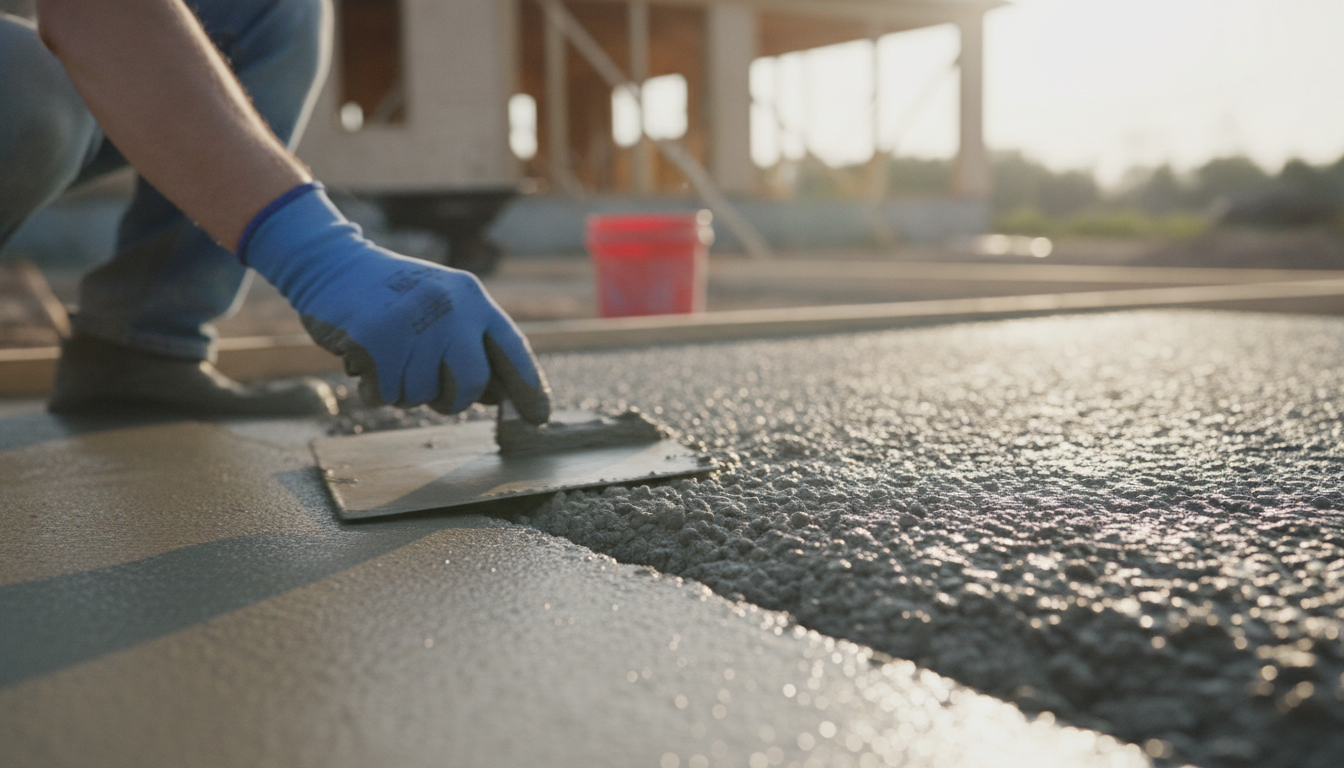
Concrete does not dry like paint. It cures through a chemical reaction called hydration, where water reacts with the cement to form strong bonds. This reaction generates its own heat, but it needs an environment that stays above freezing to continue properly. When temperatures dip near freezing, this chemical process slows down to a crawl. If the water inside the mix freezes before the concrete has gained enough strength, the ice crystals expand and push the cement paste apart, permanently weakening the slab.
The Importance of Subgrade Temperature
The ground beneath your concrete is just as important as the air above it. If you pour onto frozen subgrade, the concrete will cool down immediately upon contact. Furthermore, once spring arrives and the ground thaws, the soil will settle unevenly, causing your new slab to crack or sink. We always verify that the soil is not frozen and has been properly compacted to avoid these structural issues. Pouring onto frozen earth is a recipe for a failed project that will need to be replaced sooner rather than later.
Why Cold Weather Risks Are Real
The Mechanism of Freezing Damage
When concrete reaches the freezing point, the internal water turns into ice. Because ice takes up more volume than liquid water, it creates internal pressure within the microscopic pores of the concrete. This pressure causes micro-cracks that compromise the surface. If this happens during the first forty-eight hours of curing, the concrete will likely never reach its intended strength. You might notice a dusty, soft surface that peels away under light foot traffic. This type of damage is permanent and cannot be fixed with a simple patch or coating once the season turns.
Managing the Critical First Days
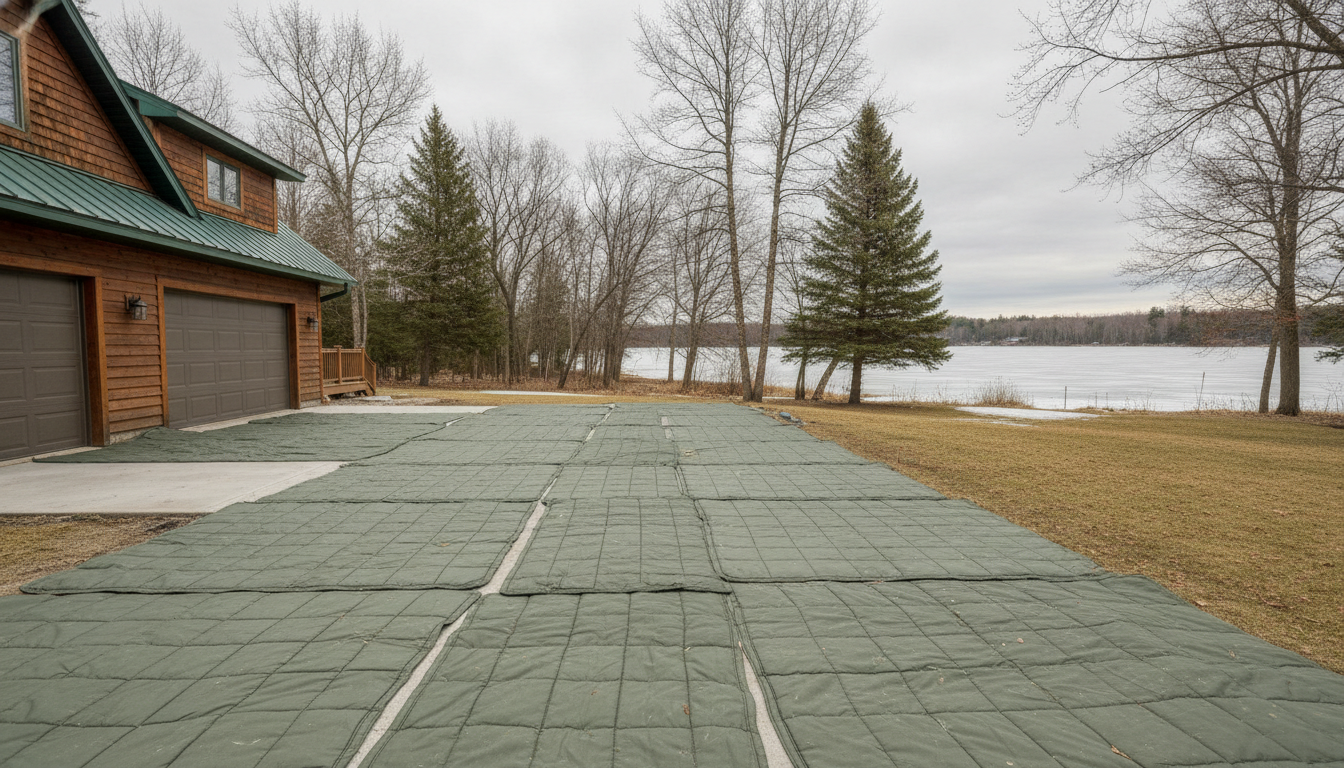
The most dangerous time for new concrete is the first two days after it is placed. We consider this the critical window for protection. If we are pouring when temperatures are marginal, we take specific steps to keep the mix warm. This includes using insulated curing blankets to trap the heat generated by the hydration process. Sometimes, we also work with ready-mix suppliers to adjust the concrete chemistry for cold weather. These additives help the concrete set faster, which gives it a fighting chance to gain strength before the overnight temperatures plummet below the freezing point.
Signs of Cold Weather Damage
Visual Indicators of Frozen Concrete
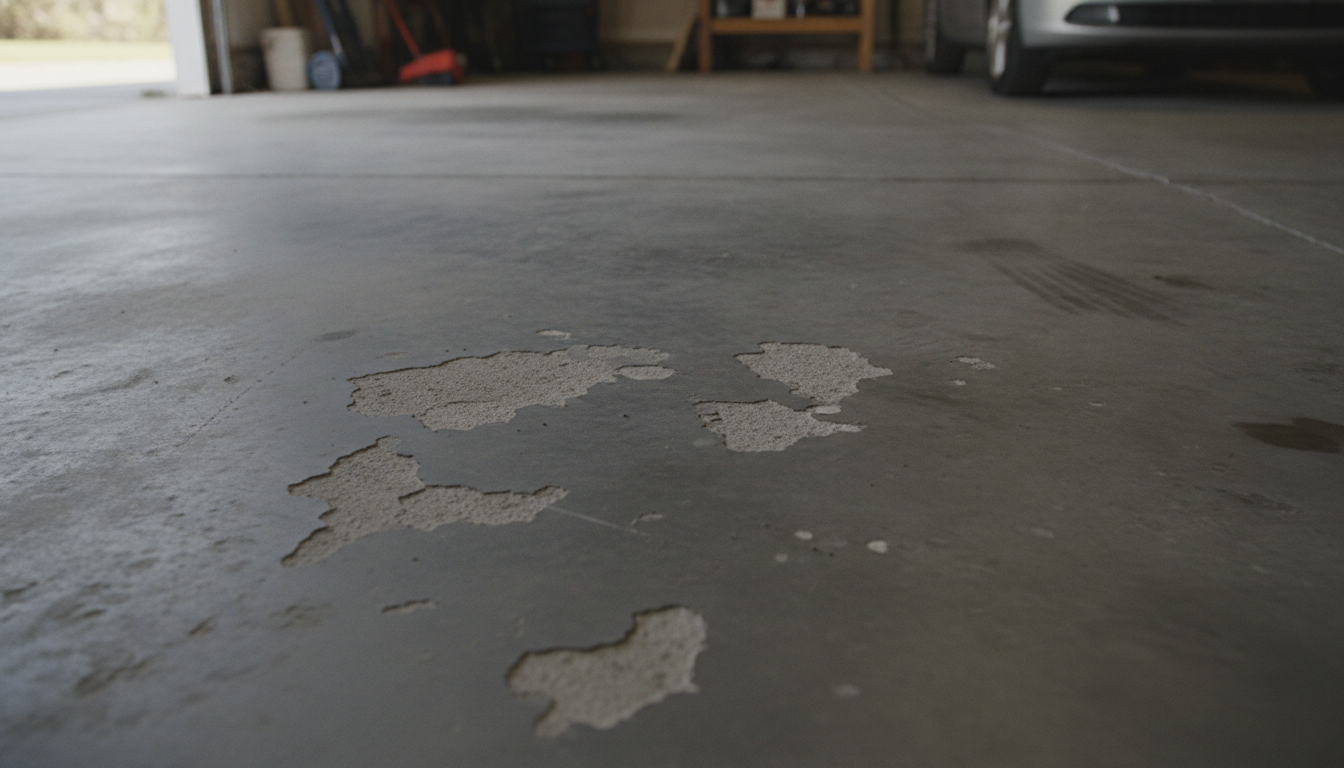
If your concrete was poured too late in the season, you will see signs of failure by the time spring arrives. The most common symptom is surface scaling, where the top layer of the concrete flakes off like an onion skin. You might also see deep, erratic cracks that appear because the frozen subgrade shifted beneath the slab. If the surface feels sandy or dusty when you rub it with your boot, the concrete likely froze before it could finish curing. These issues are frustrating because they often require complete removal and replacement, which is why we are cautious about late-season pours.
When the Surface Simply Stays Soft
Sometimes the concrete does not freeze solid, but it stays cold enough that it never fully hardens. If the surface remains soft for several days after the pour, it is a sign that the hydration process has been interrupted. This concrete will be prone to dusting and will not hold up to the weight of a vehicle or the wear of a heavy winter. We always tell homeowners that if the concrete does not set up quickly, it will likely become a maintenance headache. If you notice these signs, it is a clear indicator that the ambient conditions were too harsh for a successful pour.
The Minnesota Factor
Why Our Climate Demands Extra Care
Living in the Brainerd Lakes Area means we deal with extreme temperature swings. A garage floor in an unheated space will see everything from summer humidity to sub-zero winter blasts. Our soil is also prone to frost heave, where moisture in the ground expands as it freezes, pushing upward on your concrete. If we do not account for these conditions, your concrete driveways and flatwork will suffer. We design our pours to handle this movement by using the right sub-base materials and ensuring the concrete has the strength to withstand the freeze-thaw cycles that define our Minnesota winters.
Road Salt and Seasonal Challenges
Beyond the cold, we have to consider the impact of road salt and ice melt. Salt is incredibly corrosive to new concrete that has not had enough time to cure and seal properly. When moisture from melting snow carries salt into the pores of a weak slab, it accelerates the decay process. We see many driveways near Nisswa or Crosslake that begin to pit after just one winter because they were poured too late or lacked proper protection. If you are planning a project, consider how the local environment, from lake cabin conditions to heavy winter traffic, will affect your concrete's longevity.
Is It Too Late to Pour Concrete Before the Ground Freezes?
Evaluating Your Project Timing
Owner Eric Beach has been diamond-grinding, coating and pouring concrete around the Brainerd Lakes Area for more than ten years, and every floor gets the same prep whether it is a one-car garage in Baxter or a commercial shop in Brainerd.
Deciding when to pour depends on the long-range forecast. If the thermometer is dropping toward forty degrees and is expected to stay below fifty for three days, it is often smarter to wait for spring. While we can use blankets and heated mixes, these measures add cost and complexity to your project. Sometimes the most professional advice is to pause. Waiting ensures that you get a durable, long-lasting slab that will not require repairs once the snow melts.
- Check the ten-day weather forecast.
- Ensure the ground is not frozen.
- Plan for proper drainage away from the slab.
- Ask about the expected cure time.
When Waiting for Spring Is the Best Option
There is no shame in delaying a concrete project until the ground warms up. In fact, most of our best work happens during the spring and summer when the soil is stable and the air temperature is consistent. Pouring in the middle of a Minnesota autumn carries significant risks that are often not worth the gamble. If you are on the fence, we are happy to look at your site and give you an honest opinion. We would rather help you plan a successful project for the spring than deal with a failing slab that needed to be replaced.
Working With a Professional
Signs You Need a Pro
If you are planning a large pour or a project that involves structural load, you should always consult with a professional. You need a contractor who understands how to prepare the sub-base, how to calculate the strength requirements, and how to manage the pour in shifting weather. If you see water pooling near your foundation or if the existing ground is soft and muddy, do not attempt to pour concrete yourself. A professional can identify these issues and provide a solution that prevents future problems like cracking, settling, or uneven surfaces that can lead to water damage in your home.
What We Do Differently
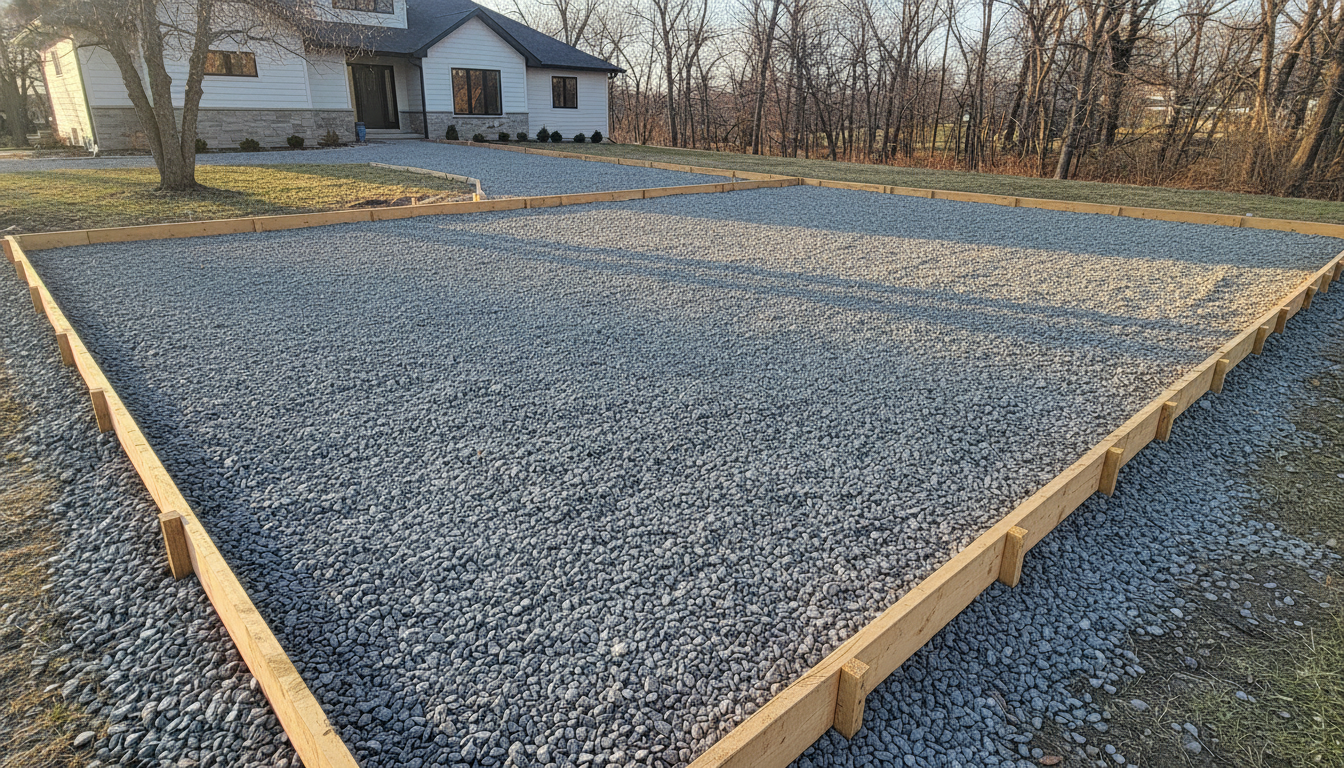
We handle every step of the process with a focus on durability. This starts with proper site preparation, ensuring the ground is compacted and graded correctly before we ever order the concrete. When the weather is cool, we monitor the site closely and use tools like insulated blankets to protect the slab while it cures. We do not cut corners on the mix design or the finishing process. By taking the time to do the job right, we ensure that your new concrete floor or driveway is ready to stand up to the harsh Minnesota winters for many years to come.
Common Questions
At what temperature is too cold to pour concrete?
We generally recommend against pouring concrete when the ambient temperature falls below forty degrees and is not expected to rise above fifty for at least three days. While we can use special techniques, these conditions significantly increase the risk of the concrete freezing before it gains the necessary structural strength.
How long after pouring concrete do you have to worry about it freezing?
You must protect concrete from freezing for at least the first forty-eight hours after it is poured. This is the critical window where the concrete is gaining its initial strength. If it freezes during this time, the internal structure can be permanently damaged, leading to crumbling and surface scaling later on.
Can you pour concrete if it freezes at night?
Yes, but you must take precautions. If temperatures dip below freezing at night, we use insulated curing blankets to hold the heat generated by the concrete as it sets. However, if the daytime highs are also very cold, it is often safer to postpone the project until the weather stabilizes.
Will concrete freeze at 27 degrees?
Yes, concrete will freeze at twenty-seven degrees. Because concrete contains water, it is susceptible to freezing whenever the temperature drops below thirty-two degrees. If the concrete is not protected with insulated blankets or other heating methods, the water will turn to ice, which prevents the concrete from curing into a strong, durable surface.
If your garage floor is already flaking after one winter, we would be glad to take a look and discuss your options for a repair or a new coating.
You can request a free on-site estimate or call (218) 838-3422.